The microbiome: Images and visualisations
June 30, 2017, by Brigitte Nerlich
The microbiome: Images and visualisations
On Monday 26 June I went to Oxford to participate in a workshop on the microbiome organised by The Oxford Interdisciplinary Microbiome Project (IMP). This was what one might call a meta-workshop. Its aim was to find questions that social scientists can sensibly ask about the microbiome, or in the words of the organisers, this was about establishing a “social-scientific research agenda about the microbiome and its implications for public policy and social change”. The workshop ties in with some of my older and newer reflections on the microbiome.
The Oxford English Dictionary defines the microbiomes in two ways, as “[a] population of microorganisms inhabiting a specific environment; a microbial community or ecosystem, now esp. that of the body” (first attested in 1952) and as “[t]he collective genomes of all the microorganisms inhabiting a specific environment, esp. that of the body” (first attested in 2001).
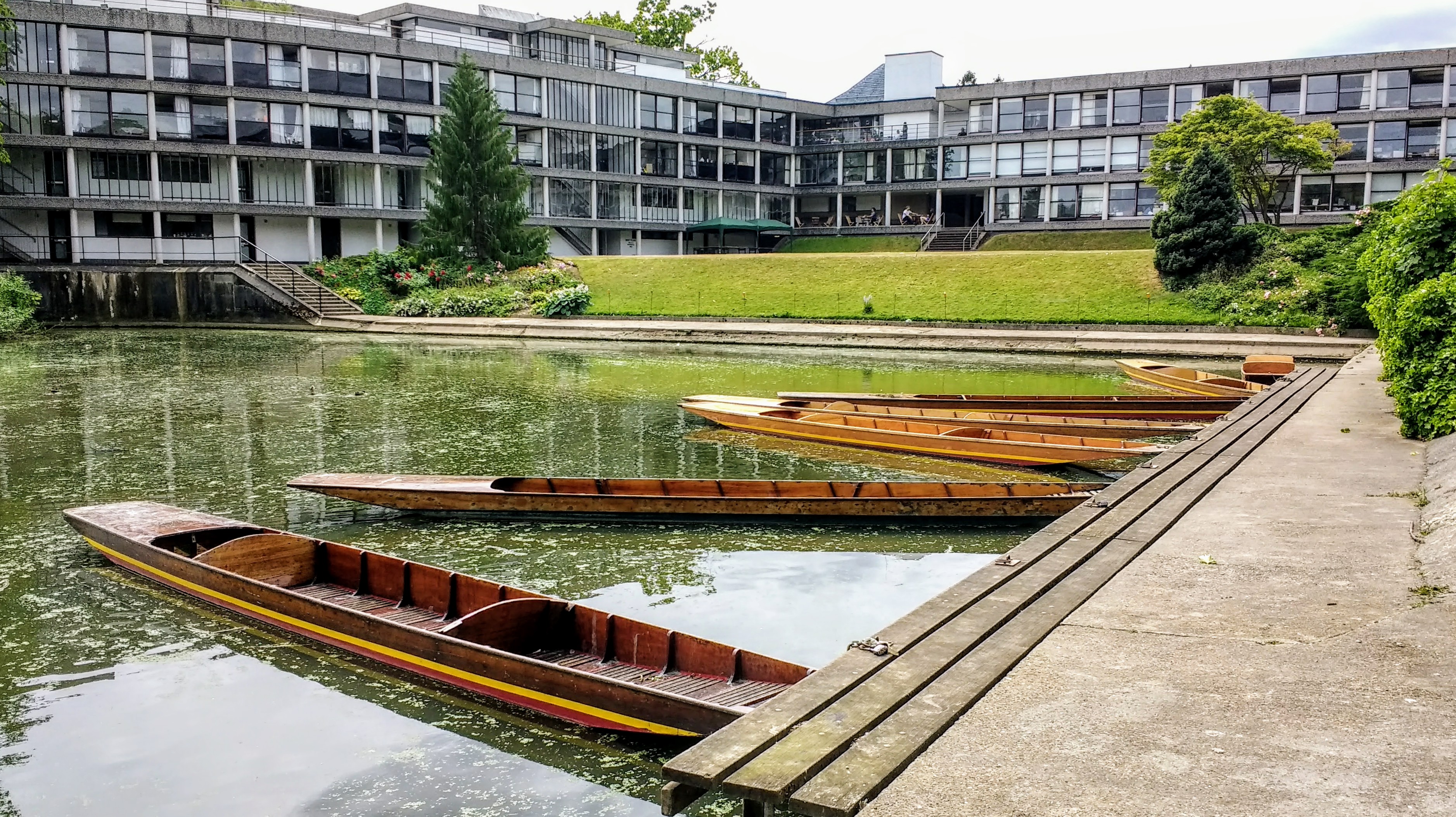
The workshop was held at Wolfson College (see featured image), where I did my JRF in the history of linguistics between 1985 and 1988. It was really nice to be there again and see all the new additions and extensions.
Questions, questions questions
In advance of the workshop we had been sent 120 questions and were asked to vote for 10. At the workshop itself each of four tables/working groups was given a list of themed questions and we were asked to select two high-level ones and two reserve questions. The general aim was to establish about 20 questions overall.
At our table we dealt with the issue of how the microbiome is being conceptualised. One question we found interesting in this context was how the microbiome, a still rather abstract and contested concept, is being imagined and visualised in the public sphere (which is, of course, not the same as visualising microbiome datasets).
While we were discussing this, I quickly had a peek on Google Images and what I found was quite intriguing. So when I came back from Oxford, I had a closer look. Of course, I cannot provide an answer to the broad question of how the microbiome is visualised in the public sphere in one blog post, but perhaps I can stimulate some discussion.
People can also look at other image sources in the future, such as Pinterest, Shutterstock, or the Science Photo Library, for example, which have images of the microbiome that seem to be quite different to the Google Images sample.
Thematic clusters
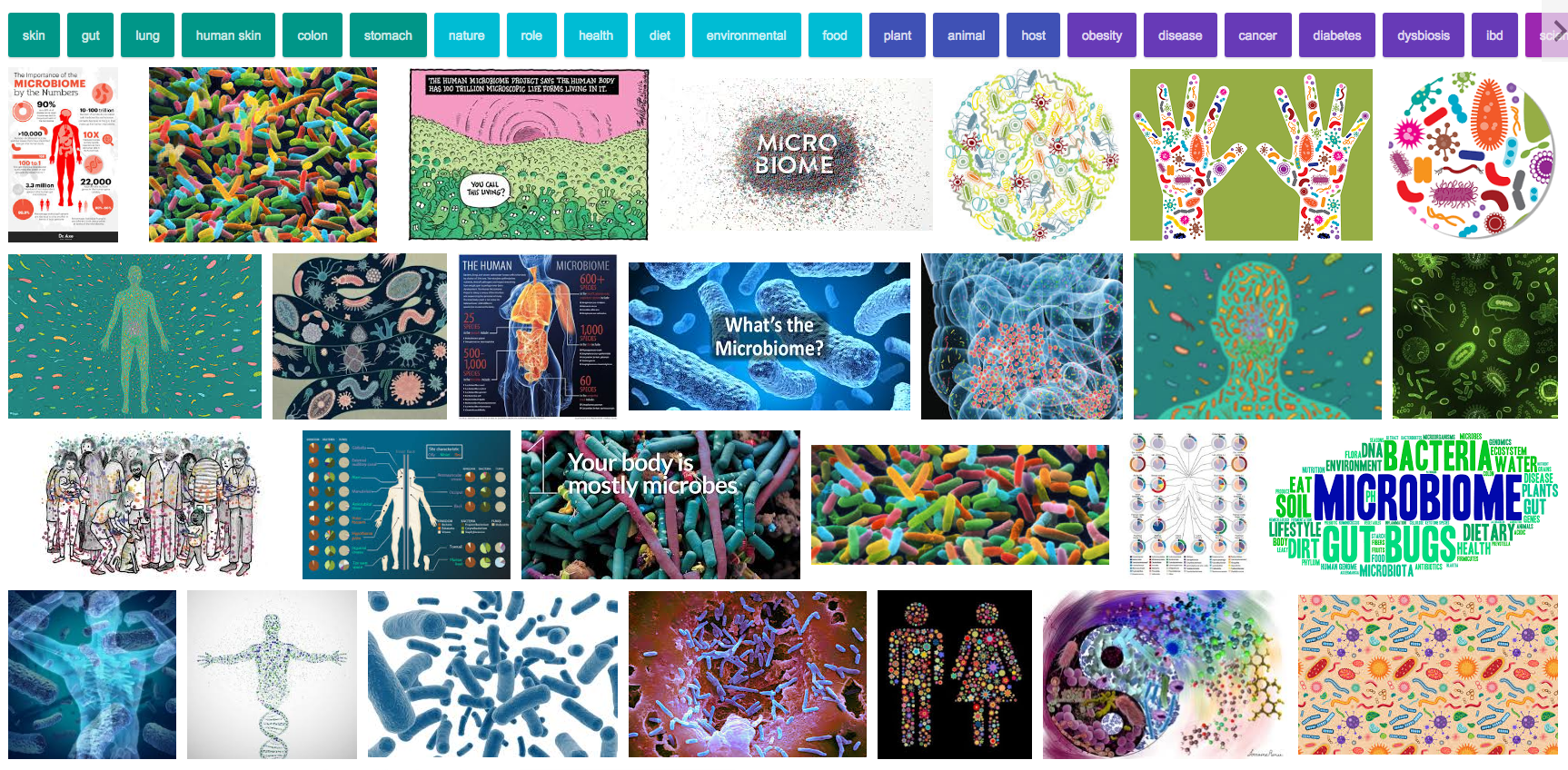
When you search for ‘microbiome’ on Google Images, you get not only images, but Google also provides you with a list of ‘themes’ (in various colours). (I searched on 27 June)
I am not sure how these themes are generated, but they are really interesting. Here they are without the colours – followed by my attempts at interpreting these thematic clusters:
Overall, these themes provide some insights not only into who generates most of the images, i. e. which journals are involved, or which types of images and visualisations are used, but also, and more importantly, what topics these images and visualisations are supposed to illuminate, from types of (human) microbiome, through various loci for microbiomes, through (domestic) animal microbiomes, to ways of studying the microbiome in certain fields of science and by using certain techniques, technologies and machines. Surprisingly, these themes did not mention Faecal Microbial Transplants, which are increasingly being discussed in the context of the microbiome.
Types of images and visualisations
I then looked at the first fifty images that were displayed when I searched for ‘microbiome’. I sorted them roughly into the following groups and I list them below in order of importance:
- Outlines of human body/bodies/head/hands
- Rod-shaped bacteria milling about
- Microbiome as a word with or without other text
- Various types of bacteria or cells milling about (sometimes) under a microscope
- One cartoon
Surprisingly, I could not immediately see an image of a human gut – the most popular location of the microbiome. (Such images seem to be much more prominent on Shutterstock; while rod-shaped bacteria seem to be the domain of the Science Photo Library).
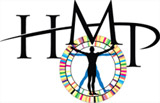
The images based on outlines of the human body were mostly outlines with arms slightly raised; sometimes there were two outlines, for example, of a man and a woman (skirt) standing beside each other; sometimes there were several outlines; sometimes the outline merged with an image of the double helix; sometimes there were outlines of a head or of two hands. The outlines were mostly inhabited or surrounded by round or rod-shaped outlines of microbes. This type of image also included the logo of Human Microbiome Project which adapts Leonardo de Vinci’s Vitruvian Man to the genomic age:
The images that displayed the word ‘microbiome’ were also interesting. Sometimes I just saw the word ‘microbiome’ surrounded by bacterial fuzziness, or else as part of a wordle; or ‘Microbiome 101’ against a background of swirling bacterial soup. There were also images that displayed texts such as: ‘What is the Microbiome?’, ‘Gut Feeling’, ‘The importance of your gut microbiome for your optimal health’, ‘Your body is mostly microbes’, ‘How to feed your microbiome’, and so on. Interestingly, the focus of the words, rather than the images, was on the human gut.
Conclusion
The images and visualisations of the microbiome displayed on Google Images provide a unique and also biased insight into what types of images are out there of the microbiome. There were three surprises: the absence of faecal microbial transplants as topic or theme; the absence of the human bowel as an image; and the focus on the human gut in the words but not in the images. At the moment I can’t provide an explanation for this. More research needed!
PS: And here is some microbiome ART by Sonja Bäumel!
Being Encounter
FIFTY PERCENT HUMAN
Images: Wikimedia commons