Social Justice, Anti-racism, and Decolonisation: what place do they have in Teacher Education?
February 19, 2024, by Rupert Knight
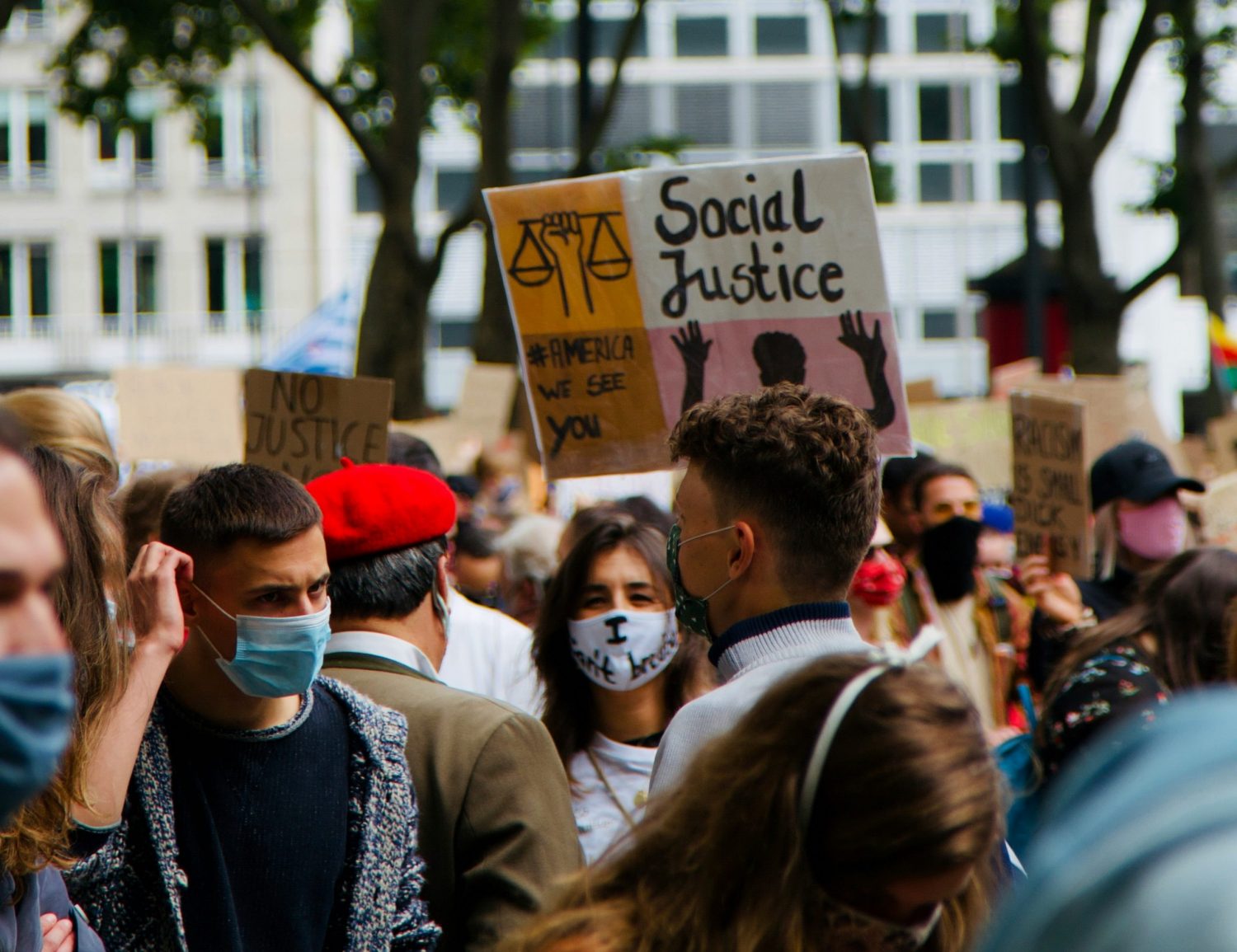
Social Justice, Anti-racism, and Decolonisation: what place do they have in Teacher Education?
In this post, Balbir Kaur (PGCE tutor), Charlie Bird, Mary Scoular and Shannon Bains (PGCE student teachers) reflect on their understanding of Social Justice (SJ), decolonisation and anti-racist approaches to teacher education. These reflections stem from their engagement with academic literature, taught sessions on the Primary PGCE course and a personal commitment that values the principles of education for SJ, decolonisation, and anti-racism in practice.
We begin from a place of understanding and lived experiences
Balbir
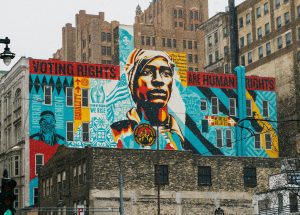
Anti-racism, decolonisation and SJ have become fashionable concepts in many educational establishments, contributing to visions and aims like a ‘jingoistic mantra’ that is repeated because it sounds impressive (Muller, 2023, p295). Often the narrow or limited understanding of the historical journey associated with these phrases can also open them up to misuse that maintains and reinforces colonialist, racist and socially unjust structures. It was the intention of gaining knowledge of the historical origins of how these phrases have travelled to the now and what these phrases mean in the context of teacher education that formed the basis of the taught sessions for primary PGCE students.
I would also argue that these concepts are not isolated from their opposite counterparts. After all, it is challenging to appreciate SJ without having a comprehensive understanding of how marginalised groups experience social injustices, othering, and oppression. It is equally hard to understand anti-racism without having an insight into how racism and Whiteness manifests systemically and impacts lives or to appreciate the intention of decolonisation without a historical understanding of the power of colonialism. The antonyms of these concepts are required to re-attach the historical struggles and the lived experiences as expressed by scholars such as bell hooks, Frantz Fanon, Paulo Freire, and Diane Reay (to name a few).
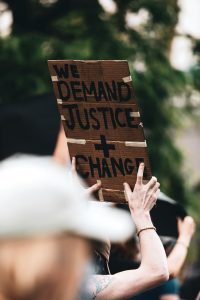
With that intention, the Primary PGCE taught sessions were planned to:
challenge students to question their understanding and unpick the origins of that understanding;
require students to be critical thinkers and reflect on their experiences of how they observed or practised these phrases in teaching after they examined these concepts through the lens of scholars who had their own lived experiences of some of these social injustices;
require students to engage with research that advocated anti-racist perspectives in teacher education, promoted critical reflection, modelled approaches to decolonise the curriculum, and seek culturally relevant pedagogies.
The following are the thoughts and reflections on the taught sessions that explored decolonisation, anti-racism, and SJ as shared by three primary PGCE students, Charlie, Mary and Shannon, and me, a PGCE tutor. As a collaborative blog, I want to emphasise the student-teacher voice as an agent for change at the grassroots level and draw attention to the accountability that all teacher educators have in the reproduction of ideas. Teacher education is a place to disrupt the cultural reproduction of social injustices and Eurocentric and colonial narratives in education, and here are our reflections at an attempt to do just that.
Reflections on learning from the session
Mary
Although conversations of race and ethnicity can be uncomfortable for white individuals, this is not an excuse to avoid the subject. In fact, it makes it even more important. Being white myself, I understand it can be difficult to navigate the difference between activism and white saviourism, not being racist and being actively anti-racist especially in a world that favours to cancel culture and leaves many feeling they must walk on egg shells or avoid the subject entirely. As future educators it is our responsibility to educate ourselves with racial literacy so that we can confidently integrate these issues in our teaching.
When it comes to teaching and discussing racism with children, and decolonising the curriculum it is important that we go beyond just increasing representation. I believe children have a right to understand the notion of ‘race’ and how it is socially constructed rather than biologically defined. Colonisation and a Eurocentric mindset have contributed to a society where racial hierarchies and white privilege persist, aspects that educators cannot overlook. Children deserve the opportunity to discuss both the past and current forms of racism such as islamophobia and antisemitism.
Charlie
The statistic of how little the teaching workforce comprises communities that belong to the global majority shocked me. I was aware that the demographic profile of the teaching profession would consist of a higher percentage of white individuals, but at almost 90% (of which 85.1% are White British) (<a href="https: //www. ethnicity-facts-figures. service. gov. uk/workforce-and-business/workforce-diversity/school-teacher-workforce/latest/">DFE, 2023</a>), it challenged many of my beliefs. One of my concerns had been whether I could talk about issues of social injustices, having not had first-hand experiences of them myself, and whether my voice counted. However, the session on decolonising the curriculum gave me the knowledge and tools to tackle these issues as a teacher. The Education for SJ session provided a low-stakes opportunity to put theory into practice by collaborating with peers to redesign an area of the curriculum through the lens of decolonising, anti-racism, and SJ. My academic background of an Undergraduate degree in Sociology reminded me of the core knowledge of the taught sessions. It was content knowledge that I had and was confident in, but the PGCE taught sessions reframed my understanding through the lens of education and made me think of areas I probably would have overlooked as a white person.
Shannon
The Teaching for SJ session was highly valuable and much needed for all student teachers, like me. I learnt how to transform a topic of a subject in the National Curriculum as a means of responding to today’s critical issues. What SJ education does is support teachers in creating ‘empowering, democratic, and critical educational environments’ for a more just world (Hackman, 2005 p. 103). Drastic societal changes cannot be made overnight; however, teachers do have the power to respond to them through subtle changes to delivering the National Curriculum.
Balbir: Having previously worked with a very diverse student population, as a person of colour, I was nervous when planning this session. I was mindful of the challenging conversations and discussions I was initiating, such as White privilege, Whiteness and White fragility to a majority white student body. However, the way the primary PGCE students engaged with the topics was exceptional. By the end of the sessions, they all had a starting point to implement education for SJ, regardless of how small or big that starting point might be. An example included decolonising the reading area that asks critically reflective questions on who is represented in the books, what that representation looks like, and who the author is. Once I had provided students with some starting points, they quickly came up with other ideas, which created a reciprocal learning experience.
Initial Teacher Education (ITE) as a pivotal point for disruption
Charlie
As beginning teachers, we are constantly told how teachers can be agents of social change, but this can only be done with the knowledge and awareness of sessions such as Education for SJ. The sessions directly challenged our thinking and prompted us to critically reflect on potentially uncomfortable subjects. It is also essential to acknowledge that education is a political system and is also a cause of inequality were race, gender and social class continue to impact on educational outcomes (Francis and Mills, 2012). As a socialisation system, schooling will almost certainly maintain invisible systemic institutional prejudices. These sessions made us more critical of the system, which is needed if we want to effectively create social change.
Shannon
Undeniably, these sessions have a crucial part in ITE, as many of the issues we discussed often go unspoken in primary classrooms. Having an awareness of current social injustices in society may help teachers to better understand each child in their classroom holistically, as well as the surrounding community. Here SJ can help to build bridges with others from different social groups for a stronger and sustained dialogue about change (Dimitriadis and Carlson, 2003).
Balbir: Teachers are viewed as essential players in providing education for SJ, decolonising an anti-racist approach to the curriculum. Carefully designed teacher education programmes and forums for learning about and discussing racial literacy, hegemonic ideas, and other related topics can empower educators to act as change agents and provide the tools necessary to carry out this process in the classroom. Recent blogs in this series on anti-racism in ITE and a collaborative approach to research-informed teaching based on professional practice are a healthy reminder of the role teacher educators have. My research and scholarly activities have re-educated my thinking and knowledge domain to implement these concepts in the curriculums I design and in the research I do. If knowledge is power, having research-active teacher educators in this discipline is essential.
Contribution to practice and personal education philosophy
Shannon: Given my ethnic and cultural background, advocating for SJ in education is a fundamental part of my educational philosophy. My teaching practice will invite space for my class to express their own views of inequalities and connect with others. Teaching for SJ entails more than providing children with information about issues; but rather inspiring them to be agents of change! Through the sessions, I recognised the importance of fairness, equity, and inclusivity in lessons which I have now adopted as key principles in my growing teaching practice.
Charlie: The biggest takeaway for me is that teachers can legitimately create and be agents of social change – both positively and negatively. The chance to create a medium-term plan for my subject area and relate it to SJ really challenged my prior pessimism and concerns about speaking over other people’s voices. Instead, it showed me that it is very much achievable. It demonstrated how we can use lessons to boost voices of those affected and still meet the learning objectives. By turning a blind eye and disregarding issues of SJ and racism we are reinforcing prejudice viewpoints by not challenging them.
Mary
The SJ sessions have allowed me to acknowledge that as a white individual, I may not fully comprehend the lived experiences of marginalised groups. It’s crucial for me to continually educate myself and engage in meaningful conversations to better understand and empathise with the challenges others face. Within my educational philosophy, I am committed to fostering an inclusive learning environment that embraces diversity. I recognise the importance of acknowledging historical injustices and contemporary issues without shying away from these discussions. I aim to approach these topics with humility, openness, and a genuine desire to learn and promote educational equity.
Balbir: My philosophical stance in response to pursuing a vision of SJ in education is based on understanding how oppression functions institutionally, systemically, and personally in daily life. Everyday oppressive conditions are strengthened when we submit to dominant structures that exist in education without question or challenge. As eloquently put by Audre Lorde, “the true focus of revolutionary change is to see the piece of the oppressor inside us” (1984, p. 123) and to engage in critical reflection to gain a deeper understanding of the conditions that shape our thinking.
Engage in research-informed and scholarly research – It is essential that you approach your teaching from a place of understanding and education. Seek scholars and research that speak the lived experiences of those who have experienced social injustices and who offer practical examples. Use research to find what works for you and your setting.
Join or be part of a community of practice dedicated to making systemic change. This is also a place to work collaboratively and share practice-based research as a form of professional development.
Start by making small changes, and as you get confident and knowledgeable, build on that knowledge. Many of the systems in education have been in place for decades, if not longer. Your small changes will be noticed and might inspire and provide someone else with the confidence to follow you and join in the work of Education for SJ.
References
Department for Education (DfE) (2023) ‘School teacher workforce’. DfE Available at https: //www. ethnicity-facts-figures. service. gov. uk/workforce-and-business/workforce-diversity/school-teacher-workforce/latest/ https: //www. ethnicity-facts-figures. service. gov. uk/workforce-and-business/workforce-diversity/school-teacher-workforce/latest/ [Accessed 14th January 2024]
Dimitriadis, G. , & Carlson, D. (2003). “They Need Someone to Show Them Discipline”: Preservice Teachers’ Understandings and Expectations of Student (Re) presentations in Dangerous Minds. InPromises to Keep(pp. 231-246). Routledge.
Francis, B. , & Mills, M. (2012). Schools as damaging organisations: Instigating a dialogue concerning alternative models of schooling.Pedagogy, Culture & Society,20(2), 251-271.
Hackman, H. W. (2005). Five essential components for social justice education.Equity & Excellence in Education,38(2), 103-109.
Lorde, A. (1984). Sister outsider. Trumansburg, NY: Crossing Press
Muller, L. (2023). Decolonisation: More Than a Trendy Word.Australian Social Work, 1-5.