Echoes of Climategate: focusing on uncertainty?
November 13, 2012, by Warren Pearce
Echoes of Climategate: focusing on uncertainty?
Some of the really intelligent debates that have come out of Climategate have been those where people admitted, “I, as a scientist, didn’t want to be as open about the uncertainties” because of this war they were in. They were on a war footing and rather than thinking about communicating the best possible science in the most accurate and measured way they were also thinking over their shoulder about how it would be received by the sceptics. But they have to somehow work out a way of behaving as scientists rather than behaving as if we’re in a war. Because that would distort the best science. And that will be exposed.
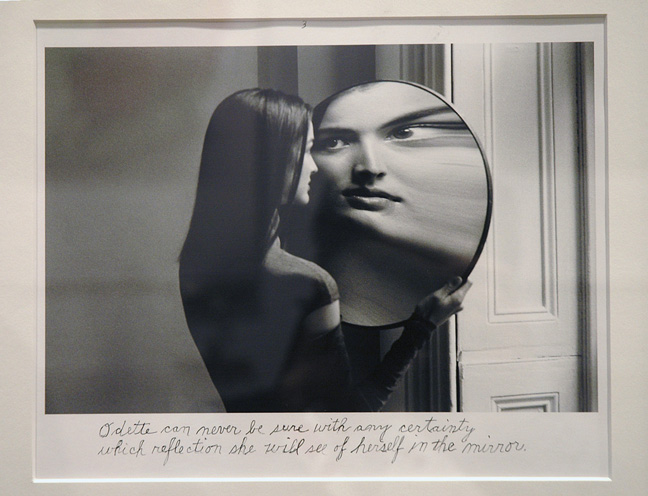
So perhaps prior to Climategate, climate communications backgrounded uncertainties within the science as some scientists felt they were on a ‘war footing’, or maybe because they simply believed sufficient consensus had been reached. After Climategate, Fox and Hulme’s evidence suggests that scientific uncertainties have become more prominent which, in principle, would seem to be a good thing if one’s concern is to reflect the science as literally as possible. However, introducing more uncertainties also adds more complexity to messages which ultimately need to be succinct enough to be understood by a range of ‘non-experts’. If there is indeed a trend toward focusing on the uncertainties within climate modelling – in other words, the potential instability, rather than stability, of scientific facts – then what does that mean for the ways in which ‘climate change’ is understood in society? How does one determine which uncertainties should be part of the story, and which are left out?
[Photo credit: http: //www. flickr. com/photos/33255628@N00/5520938553/]